



Skip to content

Cart

Your cart is empty

Article: Can You Trust Clean Fashion Certifications?

Can You Trust Clean Fashion Certifications?
In the Studio

Can You Trust Clean Fashion Certifications?

We worry about what we eat, what goes on our skin and now we’re starting to question what’s in our clothes. As someone who’s been on this for a while it does my heart good to see women—and men—waking up to what fashion is actually doing to us beyond its environmental impact. This became personal for me when I started connecting my own health issues to the things around me, including what I was wearing. That sent me down a research rabbit hole I haven’t come out of.

I talk to women a lot—it’s kind of in my job description—and what I hear more and more is that they are reading labels and researching brands before making a purchase. I’m right there with you.

What I’m noticing more lately is that certifications are being checked before purchase—which I love. But some of what’s circulating about them isn’t quite right and I have too much of an inside view to stay quiet about it. These are my opinions, shaped by years in the industry and the people around me who see what I see.

There are more certifications than I could cover in one sitting, so I’m turning this into a series. Today I’m starting with the three you’ll see most. Here’s what I wish I had known when I started paying attention to labels.
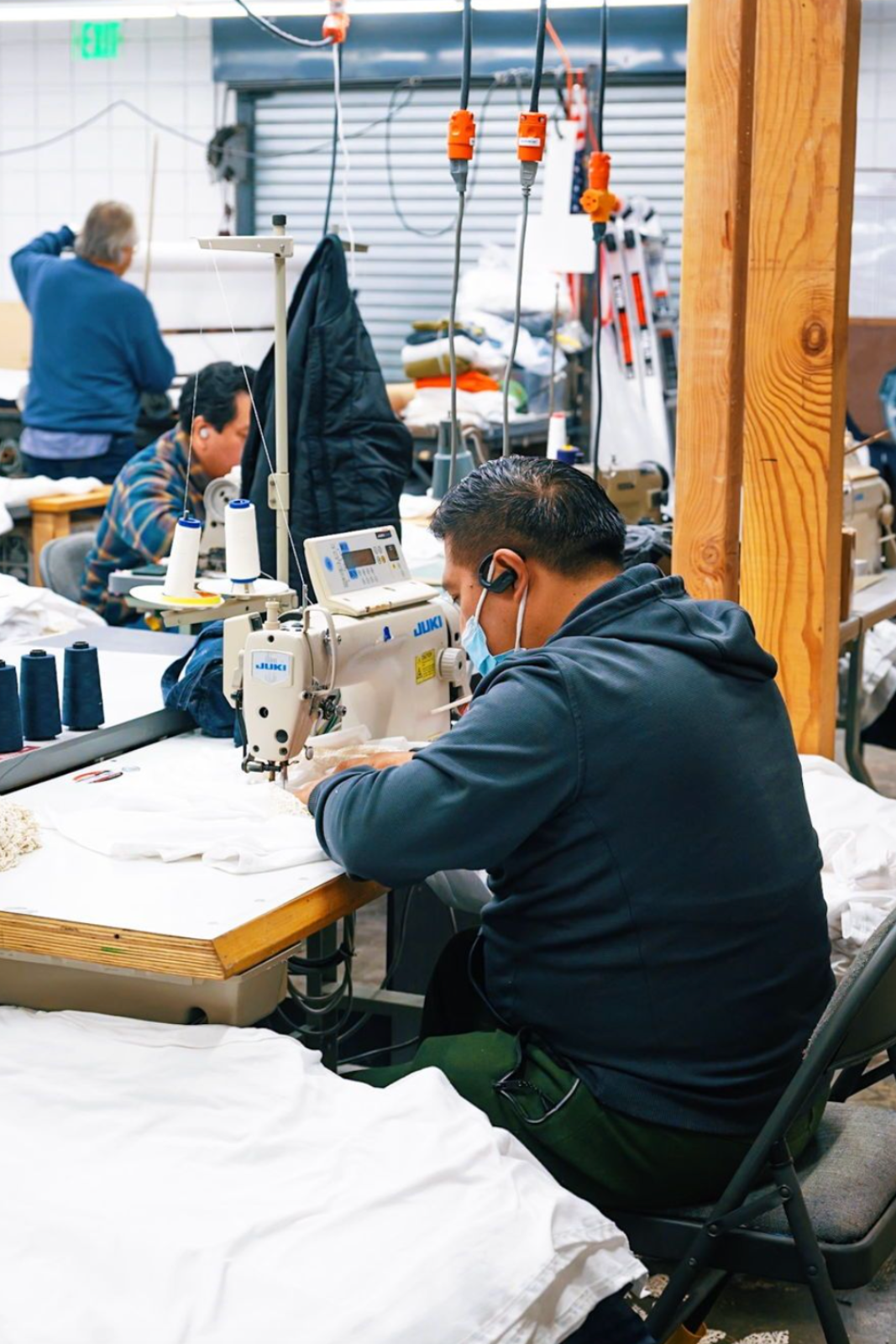
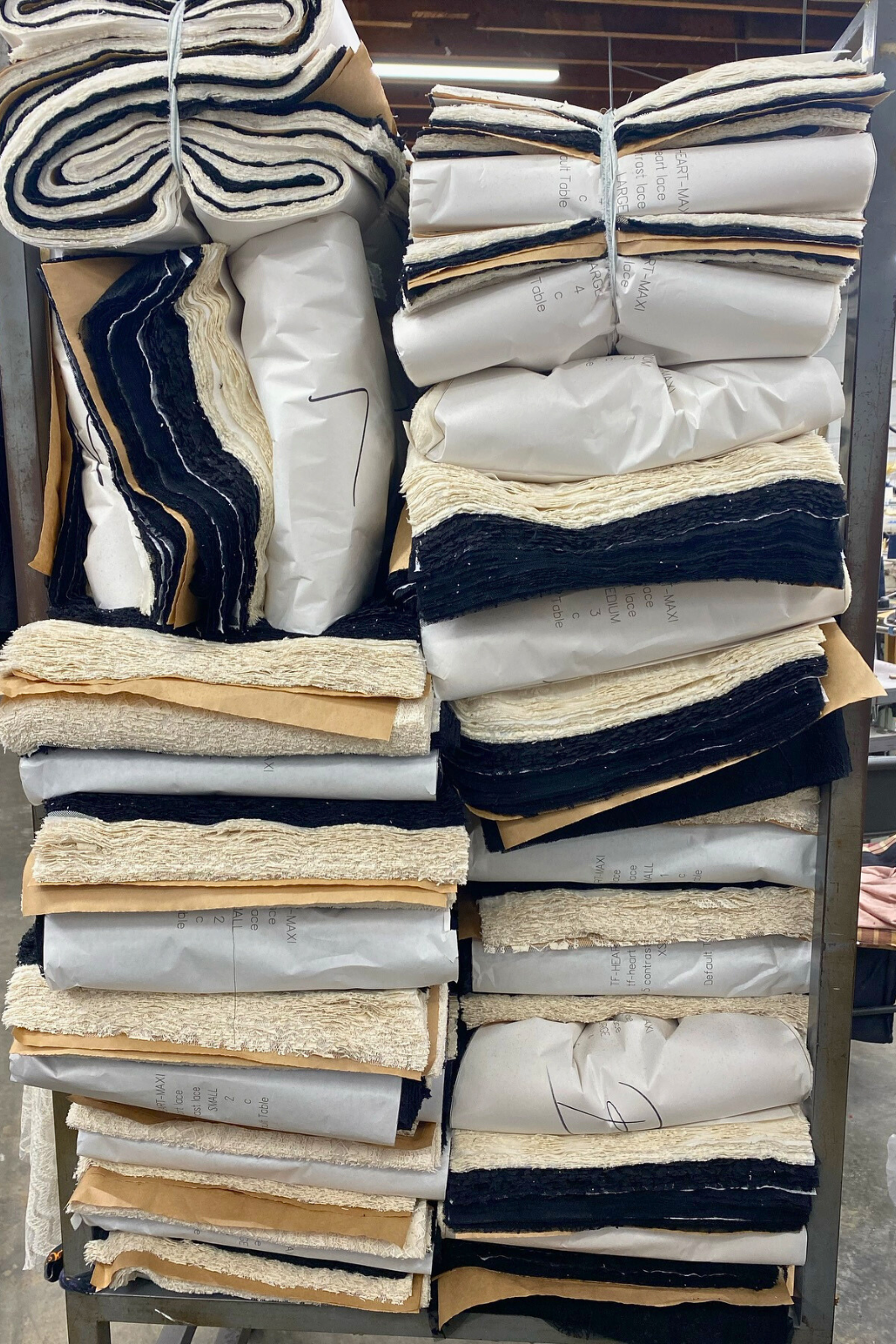
Ethical fashion brand craftsmen and factory

Fair Trade:

If you’re looking at labels for health concerns I’d skip Fair Trade as it does not cover the chemical dyes and finishes, or how the fabric fibers are grown. It’s a labor certification not an all-in-one stamp of approval. And although Fair Trade doesn’t cover the non-toxic certifications, you will often find them sitting alongside ones that do. Brands that follow Fair Trade practices usually value the other certifications as well but it is not a guarantee.

The Fair Trade label is a certification that proves a brand produces their product in a factory that has been audited and verified to meet the working standards of the Fair Trade organization. It’s an assurance that the working conditions are safe, the employees receive fair wages, no child labor, and workers have a real voice in their workplace. In other words, think of it as a health inspection but for a clothing factory and it’s done every year.

I love Fair Trade but it is not the end all be all. Yes, it is an easy way to know the safe practices a brand takes in the workplace but if a brand doesn’t have it, it doesn’t mean they are doing something wrong—necessarily. Fair Trade certifications are incredibly rigorous and for a good reason but that does make it hard to receive and there are plenty of ethical factories that don’t go down the route of certification.

A big misconception I see is if a brand doesn’t have the certification, they must be doing something wrong. In reality, getting certified costs thousands of dollars and takes up to nine months—which puts it out of reach for many small or independent brands that are actually doing the right thing. The label is a useful signal, but its absence doesn’t mean a brand is unethical. It may just mean they couldn’t afford the paperwork.

As a designer, I may never go down the route of Fair Trade certification. I work with a small factory in LA I love but it’s not a factory that plans to grow to the scale where a Fair Trade certification makes sense for them. For me it’s more important to support this smaller, local-ish (I’m in Norcal), factory that has a family-like feel to the way it’s run, rather than to go find a large certified factory. And since I make frequent visits to the factory, I can see for myself the way it’s run and operated. Meanwhile I remain involved with Fair Trade by having joined a local chapter, like Fair Trade LA, and let me tell you they have a strict interview and audit process to become a business member.

GOTS–or Global Organic Textile Standard:

I recently heard someone refer to this as the holy grail of certifications and looking at it from the outside in, may seem to be that way but it made me realize how much the narrative around GOTS hasn’t caught up to reality. There was a time when GOTS was considered the gold standard of certifications, so I can’t blame anyone for thinking it’s the holy grail because I’m sure that’s what they’ve been told. I love GOTS but it is a certification I take with a grain of salt.

GOTS is built to certify the entire chain, from how the fiber is grown all the way through manufacturing and finishing. On paper, that’s exactly what you’d want, but how it’s executed can sometimes be an issue.

It’s one of the easier certifications to green-wash or in this case health-wash because its certification covers organic production and is most often referred to on the fiber level. This means brands will claim GOTS because they use GOTS certified organic cotton but they may also use toxic dyes and finishes.

Since GOTS certifies through the entire supply chain, GOTS certified dyes do exist. Unfortunately, unless a brand is explicitly talking about their dyes it’s hard to know if the certification extends to the chemical level.

The bigger issue with GOTS is their fraud problem, particularly with organic cotton sourced from India.

The certification process relies heavily on paper documentation and once-yearly inspections brought in by the businesses being audited. So if a business wanted to forge a GOTS certification it wouldn’t be all that hard. Some countries are stricter than others and GOTS certifications in the United States and EU have become much better, the EU has even gone as far as to ban certain inspection agencies.

As much as I’ve harped on GOTS, it’s not all bad. When followed correctly the standards are genuinely high, and from what I’ve heard they’re actively working to improve their process. It’s a certification worth looking for—just don’t let it be the only thing you look for. How transparent a brand is about their supply chain will tell you more than the label alone.

OEKO-TEX:

This certification is specifically about chemical safety, which makes it one of my favorites. The chemicals used in clothing are among the most harmful and having a company like OEKO-TEX lab-testing garments for the harmful levels of chemicals is especially important. OEKO-TEX certification can’t be used unless a garment is tested and confirmed not to contain harmful levels of over 1,000 substances like formaldehyde, heavy metals, azo dyes, and PFAS.

Thankfully OEKO-TEX gives us a way to verify. Every legitimate certified product has a certificate number you can check at oeko-tex.com. No number, no certification. It’s that simple. And brands misusing it is more common than you’d think. Journalist Alden Wicker of EcoCult investigated Quince—a brand that had been claiming OEKO-TEX certification—and when she contacted OEKO-TEX directly, a rep confirmed they were misusing the label.

With larger brands like Quince there’s usually outside reporting to reference. With smaller independent labels it comes down to their own transparency—what are they sharing, and do you believe them?

Smaller labels are my personal favorite way to shop but they don’t always have the resources to attain these big certifications, which often require time and expenses smaller brands don’t have. The best smaller labels will be as transparent as possible, offering up what they do have and not what they don’t. They’ll talk about these things and explain why they use specific materials, and what that really means. Smaller labels are great because, yes they are trying to make money to keep growing and operating their business but they usually have morals and values they stick to. Everything they make has a purpose behind it and they aren’t selling out for the next big paycheck. There is soul to the little brand that the big corporations could never have.

More certifications coming. Until then, if you want to go deeper, Alden Wicker’s book To Dye For is where I’d start.

xx, Brittany Anne